Does Ultrasonic Cavitation Work for Stubborn Fat

Stubborn fat ignores the gym, and that is the whole pitch behind ultrasonic cavitation. I started with the way ISHA Beauty & Wellness (Miami body contouring on NE 2nd Avenue) describes its treatment, which pairs cavitation with radio frequency in a 30 minute session for the abs, glutes, thighs or arms, and then worked outward to what the technology can and cannot do. The short answer is yes, within limits. Those limits are the part most ads leave out, and they decide whether someone walks away happy.
Cavitation is a finishing tool, not a weight loss plan.
What happens under the skin
The name sounds dramatic, but the mechanism is fairly simple. Understanding it makes the realistic results much easier to predict before the first appointment, and it explains nearly everything providers say about timing and the number of sessions.
Sound waves and fat cells
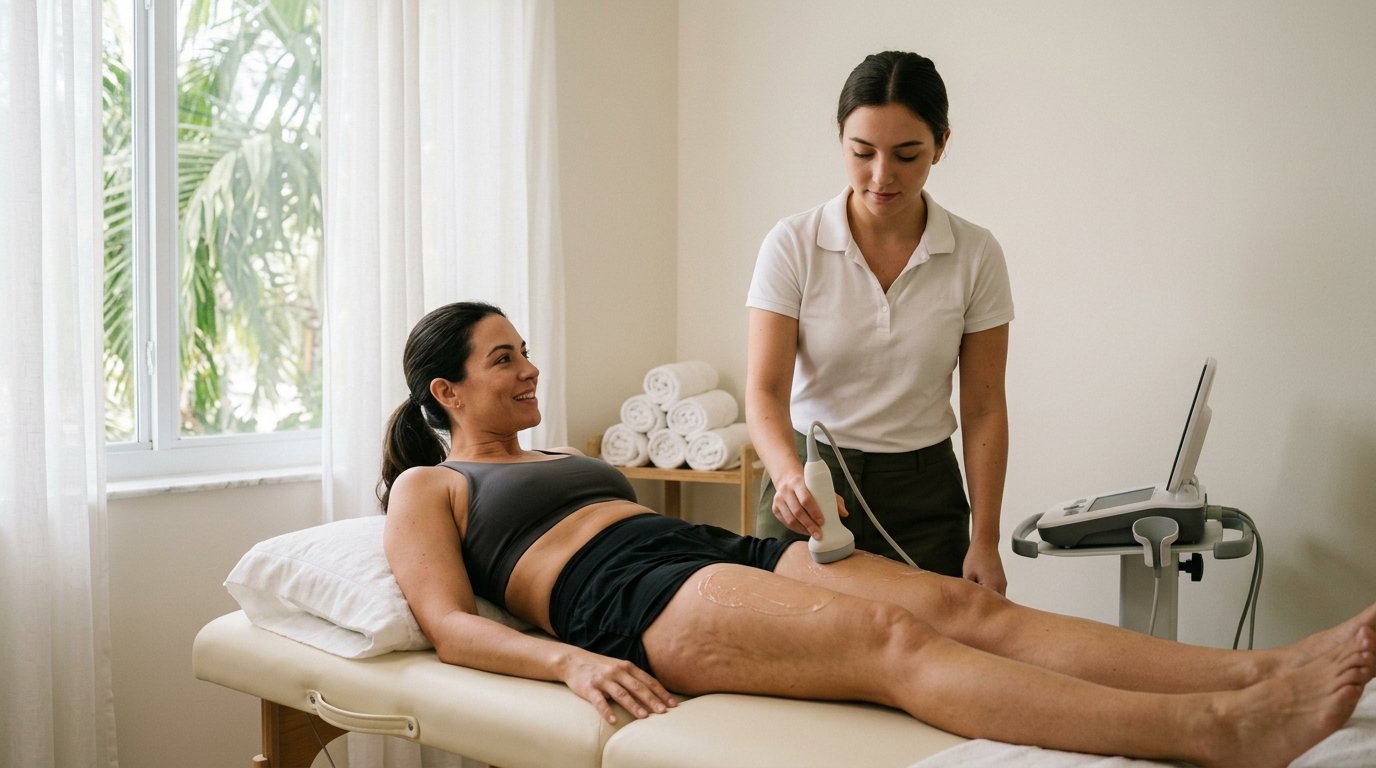
Ultrasonic cavitation aims low-frequency ultrasound at a patch of fat just under the skin. The sound waves create rapid pressure changes in the tissue, and those changes stress the walls of fat cells until some of them break down. What was inside those cells is then cleared gradually by the body's normal processes.
Nothing is cut and nothing is pulled out through the skin. That is the appeal, and it is also why the results show up slowly rather than all at once. Anyone expecting to see a difference in the mirror on the drive home will be disappointed, while anyone expecting a gradual change over several weeks usually is not. That gap between expectation and reality explains most of the mixed reviews cavitation gets online.
Where radio frequency fits
Radio frequency does a different job. It warms the deeper layers of skin, which encourages collagen production and helps skin look firmer over time. The studio describes its session as using both technologies together, breaking down fat cells while stimulating collagen to tighten the skin.
That pairing is sensible. Reducing fat under loose skin can leave an area looking softer rather than smoother, and the tightening step addresses exactly that problem. People who have already lost weight and are left with slightly lax skin tend to notice the difference most.
What a session feels like
Most people describe cavitation as painless. The handpiece glides over the skin with a gel, and many people hear a high-pitched sound through the treated area, which is the ultrasound at work and is harmless. The radio frequency portion feels like steady warmth, a bit like a heat pack that moves.
There is no real downtime. The studio lists its body contouring session at 30 minutes, short enough to fit around a workday, and most people go straight back to their normal routine afterward with nothing more than some mild redness that fades quickly.
What the results look like
Expectations shape this experience more than any machine setting does. The same measurable result can leave one person pleased and another let down, depending on what they were told to expect going in.
Inches rather than pounds
Cavitation reshapes.
It does not meaningfully move the number on a scale, because the amount of fat affected in a session is small by weight. Published studies of cavitation devices have generally reported modest reductions in waist or thigh measurements rather than dramatic change, and results vary from person to person.
For someone close to their goal weight with one or two areas that will not budge, that modest change can be exactly the point. For someone hoping to drop a lot of weight, it will disappoint, and a good provider will say so before booking anything.
Why it takes a series
The body clears broken-down fat gradually, so the visible change lags behind the treatment. A 30 minute session also treats a limited area to a limited depth, which is why most providers plan a series spread over several weeks and expect the clearest results toward the end of it. Judging after one visit is like judging a training plan after a single trip to the gym.
The gaps between sessions matter too, since they give the skin time to respond to the radio frequency. The exact number of visits varies with the area and the person, and any provider worth booking should give you an estimate before you start rather than selling sessions one at a time.
Who it suits
Not everyone is a good match for cavitation, and a few people should not have it at all. A careful provider screens for both before booking the first session, rather than leaving the question for the treatment room.
Good candidates
The best candidates are near a stable, healthy weight and have pockets of fat that have held on through diet and exercise. They want a smoother outline in one specific area and are comfortable with gradual change. They also plan to keep their habits steady afterward, since new weight gain can fill the same areas right back in and undo the effort. Realistic candidates tend to describe their goal in terms of how clothes fit rather than a target weight, which is a good sign that their expectations match what the treatment does.
Reasons to wait
Pregnancy is a clear reason to hold off.
So are pacemakers or other implanted electronic devices, metal implants in or near the treatment area, and some medical conditions, which is why a proper intake should ask about your health history before any device touches the skin. If you are unsure whether any of this applies to you, check with your doctor before the first session rather than after it.
How it compares, and how to help it along
Cavitation sits in the middle of a range of fat reduction choices. Seeing where it falls next to the alternatives helps set expectations, and a few simple habits have a real effect on how well it works once you start.
Next to cryolipolysis and liposuction
Cryolipolysis, widely known by the CoolSculpting brand name, freezes fat cells instead of using sound, and it usually involves a longer appointment with an applicator held in place. Both approaches are non-surgical and both work gradually, and people often choose between them based on the area they want treated and how experienced the provider is with each device.
Liposuction is a different category. It physically removes fat and produces far larger changes in a single procedure, but it comes with anesthesia and incisions, followed by real recovery time. Cavitation gives up size of result in exchange for a treatment with no downtime, and for many people that exchange is the whole reason to choose it.
Habits between sessions
Staying well hydrated and staying active between sessions supports the body's normal clearing processes, and most providers suggest drinking plenty of water on treatment days. Because this approach also targets collagen and firmness, caring for the skin itself helps. Moisturizing and sun protection on exposed areas keep the smoother outline looking its best. It also helps to take measurements or photos in the same light before the first session, since gradual change is easy to miss when you see yourself every day.
The bottom line
Cavitation can work. It works on a small scale, over weeks, for the right person, and it works best when you think of it as sculpting rather than slimming. Go in expecting a modest change in one area, finish the whole series, and keep your habits steady, and the result has a far better chance of matching what you hoped for when you booked.
RELATED ARTICLES
The phrase that ruins this for everybody is "put under." People use it casually, the way you would talk about getting your oil changed, and it plants a picture that has very little to do with what

Modern AI-driven hearing aids treat speech and noise as two separate audio streams.
Most Knoxville homeowners shopping for a tankless water heater pick the wrong size.

A 2023 study by the National Association of Realtors found 30% of homebuyers would not buy a house with old plumbing. Yet, only 12% of sellers focus on plumbing upgrades.

According to The Water Heater Warehouse (a special

As a homeowner, you know how important a reliable water heater is. Water heating takes up about 18% of your monthly bills.